How to Know When Your Pool Filter Needs Replacement vs Cleaning
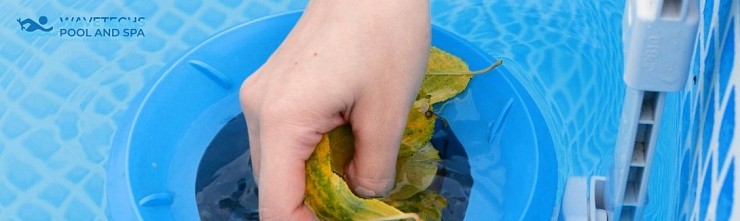
A dirty pool filter and a worn-out pool filter can look surprisingly similar at first glance, but treating one like the other usually leads to cloudy water and a repeat service call a few weeks later. In most cases, a routine cleaning is enough to get a filter working properly again, but there comes a point where pool filter replacement is the only real fix. Knowing which situation you're dealing with can save you money and keep your pool running the way it should.
How to Know When Your Pool Heater Needs Repair vs Replacement in North Texas
A reliable pool heater helps homeowners enjoy their pools beyond the summer months in North Texas. Like any mechanical system, pool heaters experience wear and tear over time, limiting their performance and leaving you with chilly water on summer nights or in the fall.
What Is Causing Low Water Flow with Your Pool Heater in North Richland Hills
Your pool heater may seem like the problem when the water is not warming up, but weak water flow is often the real issue. If water is not moving through the heater properly, the unit may struggle to heat, shut itself off, or run inefficiently.
Why Your Pool Pump Keeps Losing Pressure
Your pool pump is arguably the most important piece of pool equipment. It is often referred to as the heart of the pool and ensures that your water is constantly circulating, promoting even chemical and heat distribution when your heater is on.
The Science Behind Pool Circulation and Salt Chlorination
Nothing spells summer like sparkling pools and refreshing dips. However, behind every pristine pool is careful upkeep for a balanced saltwater system. Pool circulation constantly pushes the water through a cycle of cleaning and renewal.
The Hidden Dangers of Running a Weak or Old Pool Pump
Your pool pump rarely gets the spotlight, but it’s the quiet engine that keeps the water moving and filtered. However, a weak or old pool pump can slowly undermine the entire pool system.
Signs of a Serious Pool Filter Leak
Your quiet afternoon by the pool can take an unexpected turn when you notice damp concrete near the equipment pad or a sudden drop in the waterline. You can shrug it off as a splash-heavy weekend or evaporation, but these small clues can sometimes point to a pool filter leak. And that undetected filter leak can slowly cause costly damage.
Top Causes for Pool Salt System Damage
Saltwater pools have earned their reputation for comforting swims that are kinder on the skin, with minimal chlorine smell and maintenance needs. However, while salt systems reduce some of the usual upkeep, they require proper care to stay reliable(and avoid costly damage!).
How Calcium Buildup Damages Salt Cells Over Time
A salt cell works quietly to keep your pool clean and safe. However, calcium accumulation or scaling is a challenge in saltwater pools. The minerals in pool water cling to surfaces, especially in dry climates like North Texas.
How Cold Nights and Fluctuating Temperatures Affect Pool Heaters
Texas weather has a way of keeping us pool owners on our toes. Southlake also has its share of sun-soaked afternoons followed by noticeably cooler mornings. Though these temperature swings seem mild to us, the pool heater notices every shift. Your heater can struggle after a cool night, as these subtle temperature changes and wind affect your pool temperature.
How an Aging Pool Pump Affects Water Clarity and Chemical Balance
The water pump is your pool’s steady companion, humming along to keep the circulation and chemicals balanced. However, an aging pool pump shows warning signs with murky water and slow impellers.
The Most Misdiagnosed Pool Heater Problems
Your pool heater is truly a blessing for year-round swimming comfort. It nullifies weather changes and promises refreshing dips through the seasons. However, one tends to assume the worst when it stops performing as expected. While you may picture major pool heater repair or expensive replacement, your ‘heater failure’ may be a misdiagnosis.